
Your Dream Yard and Your HOA: A Guide to Getting Your Denver Landscaping Project Approved
You’ve spent hours scrolling through inspiration, picturing a stunning new patio, a vibrant garden, or a modern, water-wise xeriscape. You’re ready to transform your outdoor space into a personal oasis. But for many homeowners in the Denver area, there’s one crucial step between dreaming and doing: getting approval from your Homeowners Association (HOA). The thought of navigating bylaws, submitting plans, and seeking committee approval can feel daunting, turning an exciting project into a source of stress.
Don't let the process discourage you. Understanding your HOA's guidelines and presenting your project professionally can make all the difference. This guide will walk you through the key steps to ensure your landscape transformation goes smoothly, from initial concept to final, approved installation.
Step 1: Decode Your HOA's Landscaping Guidelines
Before you fall in love with a specific design or material, the first step is to become an expert on your community's rules. HOAs implement landscaping guidelines not to stifle creativity, but to maintain a cohesive aesthetic and protect the property values of all residents. Your goal is to find where your vision and their requirements intersect.
Start by locating the governing documents, which are usually called the Covenants, Conditions & Restrictions (CC&Rs) and the Architectural or Landscape Design Guidelines. Look for specific rules regarding:
- Plant Lists: Many HOAs have pre-approved (and prohibited) lists of trees, shrubs, and flowers. As water conservation becomes more critical along the Front Range, many are updating these lists to encourage drought-tolerant and native Colorado plants.
- Turf Requirements: Some communities have rules about the minimum or maximum percentage of your yard that must be covered in living turf.
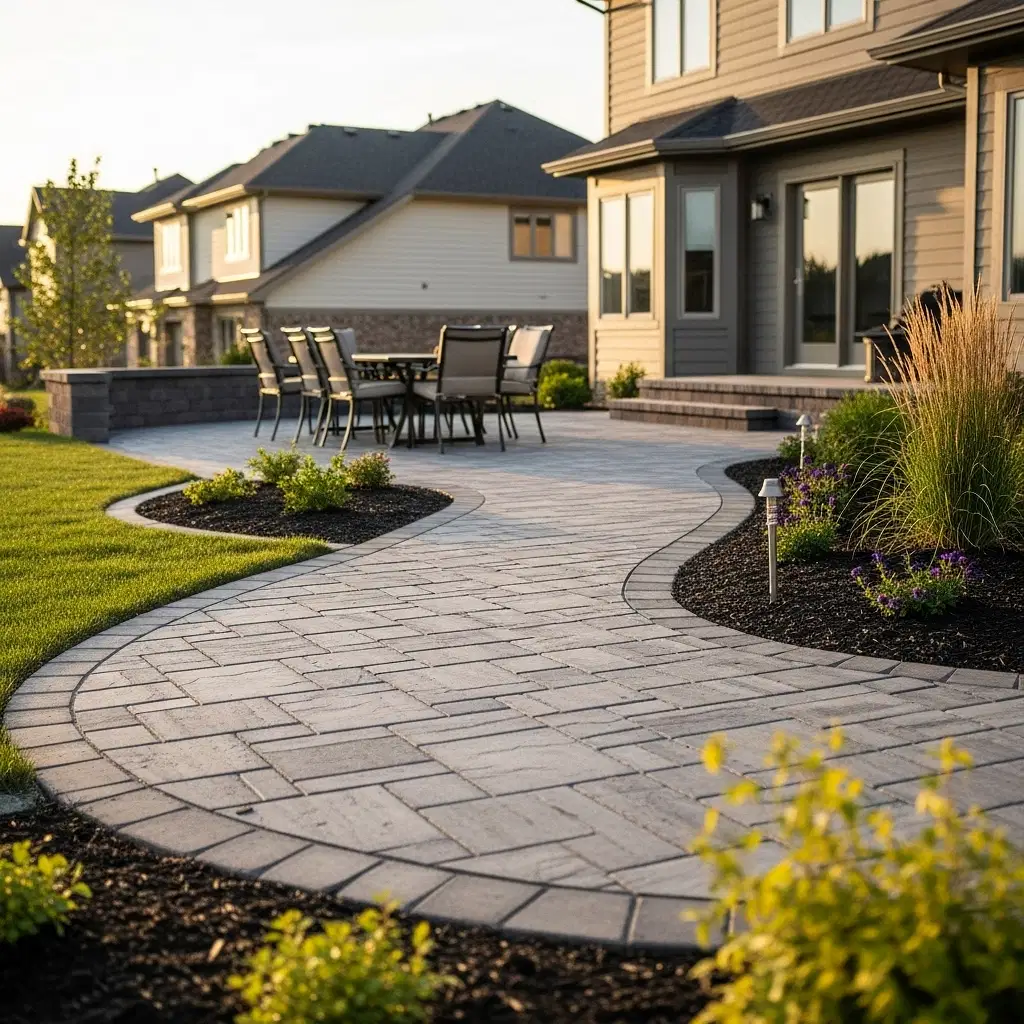
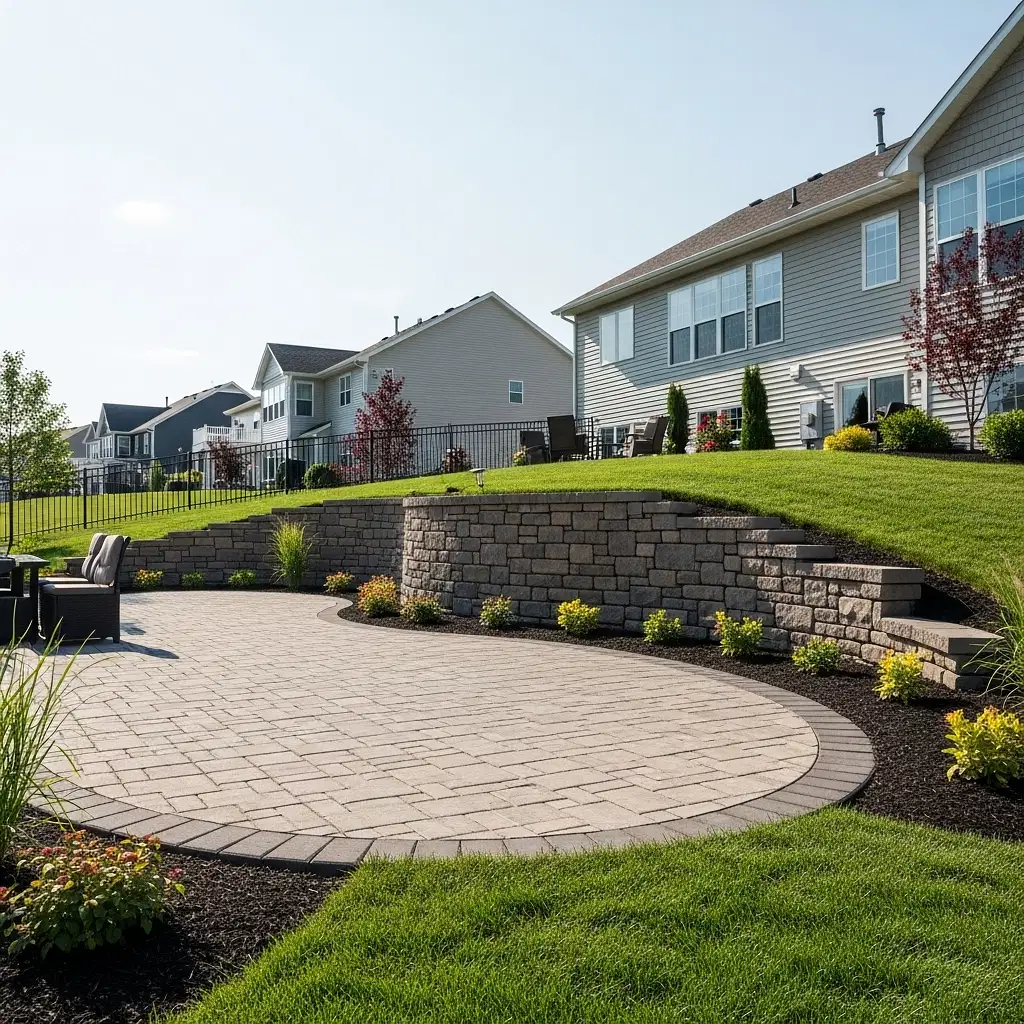
- Hardscaping: There are often strict guidelines for materials, colors, and placement of patios, walkways, decks, and retaining walls.
- Structures: Fences, pergolas, gazebos, and sheds almost always require approval and must adhere to specific height, material, and location (setback) rules.
- Maintenance Standards: The documents will also outline expectations for lawn care, weeding, and general upkeep after your project is complete.
Understanding these rules upfront prevents the costly and frustrating experience of having to alter your plans or, even worse, remove work that has already been completed.
Step 2: Submit a Professional Plan, Not Just an Idea
Once you know the rules, the key to a swift approval is presenting a clear, detailed, and professional plan. Most HOA architectural review committees are made up of volunteer residents. A comprehensive plan makes their job easier and shows that you’ve done your homework, which builds confidence and goodwill.
A professional landscape design submission should be much more than a quick sketch. It should be a complete package that includes:
- A Scaled Site Plan: A to-scale drawing of your property showing the location of all proposed changes, including new garden beds, patios, walkways, and other features. Measurements and distances from property lines are critical.
- A Detailed Planting Plan: A list of all proposed plants, including their common and botanical names, quantities, and locations on the site plan.
- Material Specifications: Clearly list and provide samples or photos of all proposed hardscape materials, such as pavers, decking, mulch, and rock.
- Drainage Information: Show how your new landscape will manage water runoff and ensure it doesn't negatively impact your neighbors' properties.
Submitting a thorough, professional plan demonstrates that your project is well-conceived and respects the community's standards. It minimizes back-and-forth questions and significantly increases your chances of a first-pass approval.
Step 3: Proactive Communication and Flawless Execution
Navigating the submission process is as important as the plan itself. Always submit your application well in advance of your desired start date, as most committees meet monthly and may take 30-60 days to review submissions. Never begin any demolition or construction until you have received official, written approval.
If you have questions, don't hesitate to reach out to your property manager or a member of the architectural review committee beforehand. Clarifying a rule before you finalize your design can save you significant time and effort.
This is where partnering with an experienced landscape firm becomes invaluable. A team that handles general contracting and has experience with local HOAs can manage the entire process for you. They ensure the design is compliant from the start, prepare the professional submission package, and handle communication with the committee. Once approved, their professional landscape installation team will execute the plan precisely, ensuring the final result matches the approved design perfectly and adheres to all community standards.
Let Us Handle the Paperwork So You Can Enjoy the Results
Transforming your yard should be an exciting journey, not a battle with bylaws. By understanding the rules, presenting a professional plan, and communicating clearly, you can navigate your HOA's approval process with confidence.
At Bromfield Design Group, we specialize in creating beautiful, functional, and compliant outdoor spaces for homeowners across the Denver area. Our expertise in residential landscaping and design means we know how to create a plan that satisfies both your vision and your HOA's requirements. Let us take the stress out of the process. Contact us today to start designing the outdoor living space you've been dreaming of.