
Thriving at Altitude: Your Essential Guide to Tree and Shrub Care in Denver
Living along the Front Range means enjoying stunning views and abundant sunshine. However, for our gardens, the Mile High City presents a unique set of challenges. The intense sun, low humidity, heavy clay soil, and dramatic temperature swings can be tough on trees and shrubs. Many homeowners invest in beautiful plants only to watch them struggle, which is a frustrating and costly experience. But it doesn't have to be that way.
Creating a lush, thriving landscape here is entirely possible with the right knowledge and techniques. It’s not about fighting our climate, but learning to work with it. This guide will walk you through the essentials of tree and shrub care, providing practical, expert advice tailored for the unique conditions of the Denver area. From selecting the right species to protecting them through our harsh winters, these tips will help you cultivate a landscape that is both beautiful and resilient.
The Foundation: Starting with the Right Plants
The single most important step to ensuring your landscape thrives is selecting plants that are well-suited to our local environment. Fighting to keep a water-loving, shade-craving plant alive on a sun-drenched south-facing slope is a recipe for disappointment. The principle of “right plant, right place” is the cornerstone of sustainable and low-maintenance landscaping.
This is where the value of Colorado native plants and other drought-tolerant species truly shines. These plants have evolved to handle our semi-arid climate, alkaline soils, and intense sunlight. By choosing species like Serviceberry, Blue Grama grass, or Pinyon Pine, you are setting your garden up for success. They require less water once established, are more resistant to local pests and diseases, and support local pollinators and wildlife, contributing to a healthier ecosystem.
Understanding the specific microclimates within your own yard is also key. The conditions against a hot, south-facing brick wall are vastly different from a cool, shaded area on the north side of your home. A thoughtful landscape design considers these unique zones, ensuring that every tree and shrub is positioned to flourish. Proper planning from the start saves you time, money, and the headache of replacing plants that weren't a good fit.
Proper Planting and Watering for High-Altitude Success
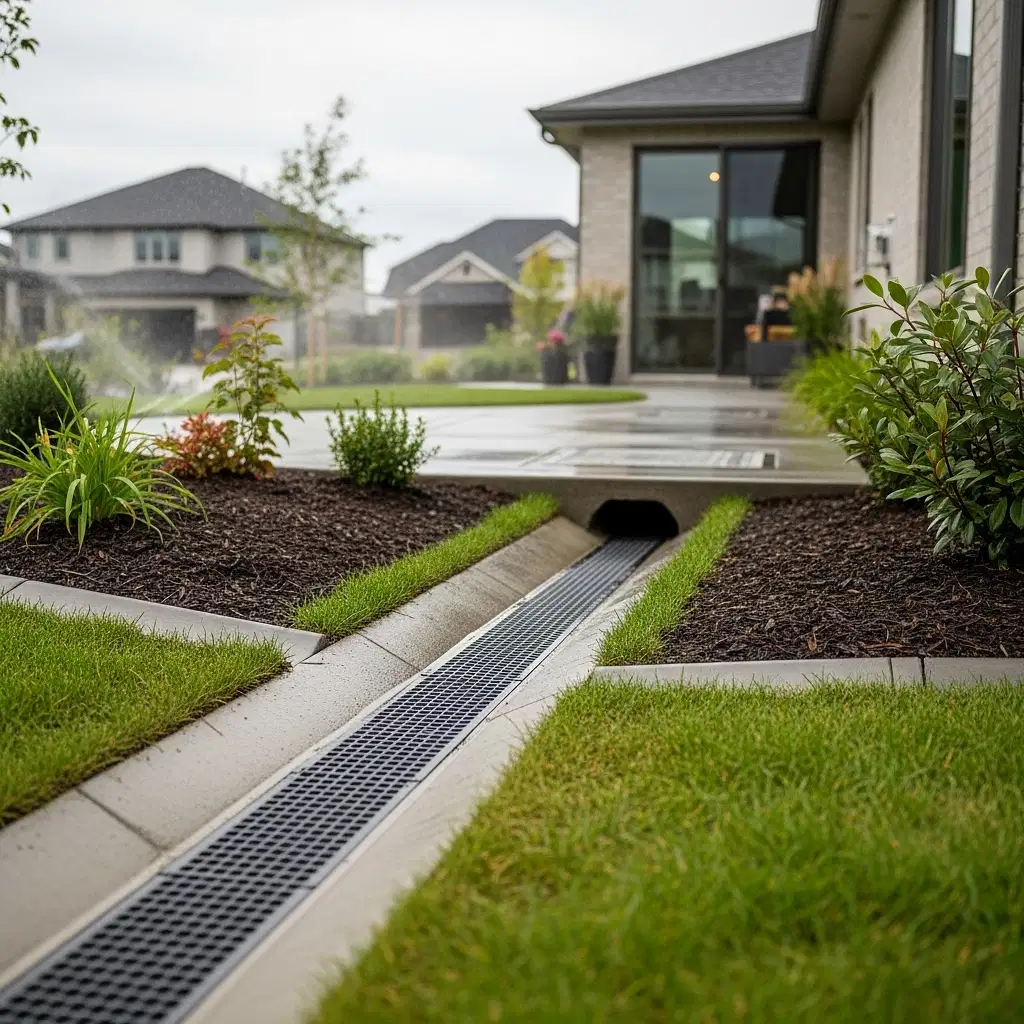
Once you’ve chosen the right plants, giving them a proper start is critical. In much of our region, that means dealing with heavy clay soil. Clay soil can be a challenge because it drains slowly and becomes heavily compacted, making it difficult for roots to expand and access oxygen. When planting, it's crucial to amend the soil. Mixing high-quality compost or other organic matter into the backfill helps break up the clay, improve drainage, and provide essential nutrients for the new plant.
Watering is another area where technique matters immensely. The goal is to encourage deep, strong root systems that can seek out moisture and withstand dry spells. To do this, water your trees and shrubs deeply but infrequently. A slow, thorough soaking allows water to penetrate several inches into the soil, rather than a light, daily sprinkle that only wets the surface and encourages shallow, weak roots.
Finally, one of the best things you can do for your plants is to apply a healthy layer of mulch. A two-to-three-inch layer of wood chips or shredded bark around the base of your trees and shrubs (without touching the trunk or stems) works wonders. Mulch helps retain precious soil moisture, regulates soil temperature against our extreme heat and cold, and suppresses weeds that compete for water and nutrients. Professional mulch installation ensures the correct type and depth are used for maximum benefit.
Protecting Your Investment from Colorado's Extremes
Our four distinct seasons each bring unique challenges to the landscape. Proactive care can protect your trees and shrubs from the harshest elements, ensuring their long-term health and beauty.
Sun Scald: The intense winter sun is a major threat, especially to young, thin-barked trees like maples, aspens, and lindens. On a clear winter day, the sun can heat up the south and southwest sides of a trunk, causing cells to come out of dormancy. When the sun sets or goes behind a cloud, the bark temperature plummets, killing these active cells and causing the bark to crack and peel. This is called sun scald. You can easily prevent it by wrapping the trunks of vulnerable trees with a commercial tree wrap from late fall to early spring.
Winter Watering: It may seem counterintuitive, but one of the most important times to water is during the winter. Long, dry periods without snow cover can desiccate the root systems of trees and shrubs, especially evergreens. If we go three to four weeks without significant moisture and the ground isn't frozen, it's a good idea to give your plants a deep drink, preferably on a day when temperatures are above 40°F.
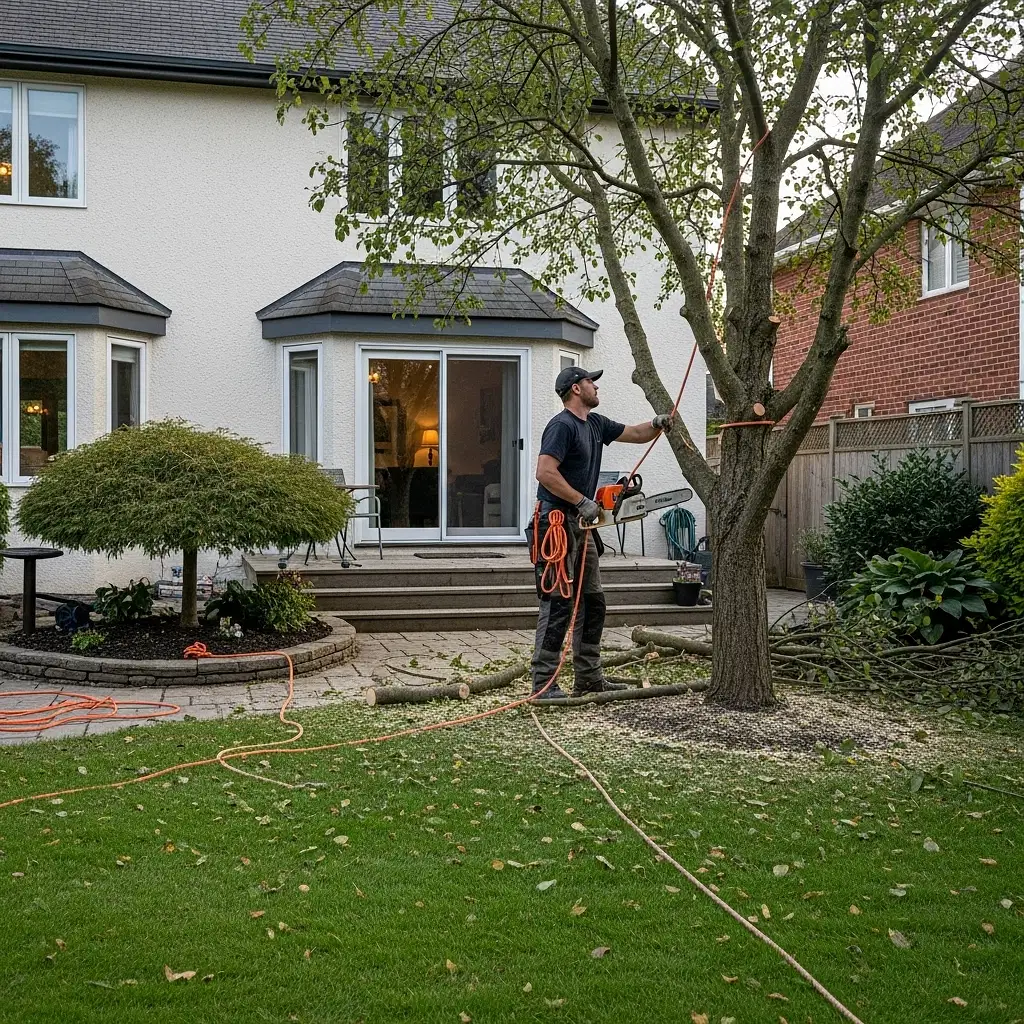
Strategic Pruning: Proper pruning improves a plant's structure, health, and appearance. For most deciduous trees and shrubs, the best time to prune is in late winter or early spring while they are still dormant. This is when the branch structure is easy to see and the plant can heal quickly as new growth begins. Removing dead, damaged, or crossing branches helps improve air circulation and directs the plant's energy toward healthy growth.
Cultivate a Landscape That Lasts
Caring for trees and shrubs in our high-altitude climate is a rewarding endeavor. By choosing climate-appropriate plants, mastering proper planting and watering techniques, and protecting them from our seasonal extremes, you can create a beautiful, resilient landscape that adds significant value and enjoyment to your home.
These practices are an investment in the long-term health of your property. Whether you're looking to create a brand new outdoor space or need expert help selecting and installing the perfect additions, our team has the local knowledge to ensure your landscape thrives. From professional tree and shrub planting to comprehensive residential landscaping services, we're here to help you succeed.
Ready to build a beautiful and enduring landscape? Contact Bromfield Design Group today for a consultation and let's bring your vision to life here in Denver.