
The Unsung Hero of Your Garden: A Guide to Mulching in Denver's Climate
Gardening along the Front Range presents a unique set of challenges. Between our intense sun, surprisingly dense clay soil, and the constant need to be water-wise, creating a thriving landscape can feel like an uphill battle. Homeowners often find themselves struggling with persistent weeds, dry and compacted soil, and plants that just can't seem to get enough moisture. If this sounds familiar, you might be overlooking one of the most effective tools in a gardener's arsenal: mulch. Far from being just a decorative topping, the right mulching strategy is a game-changer for any Denver garden, helping you conserve water, improve soil health, and create a beautiful, low-maintenance outdoor space.
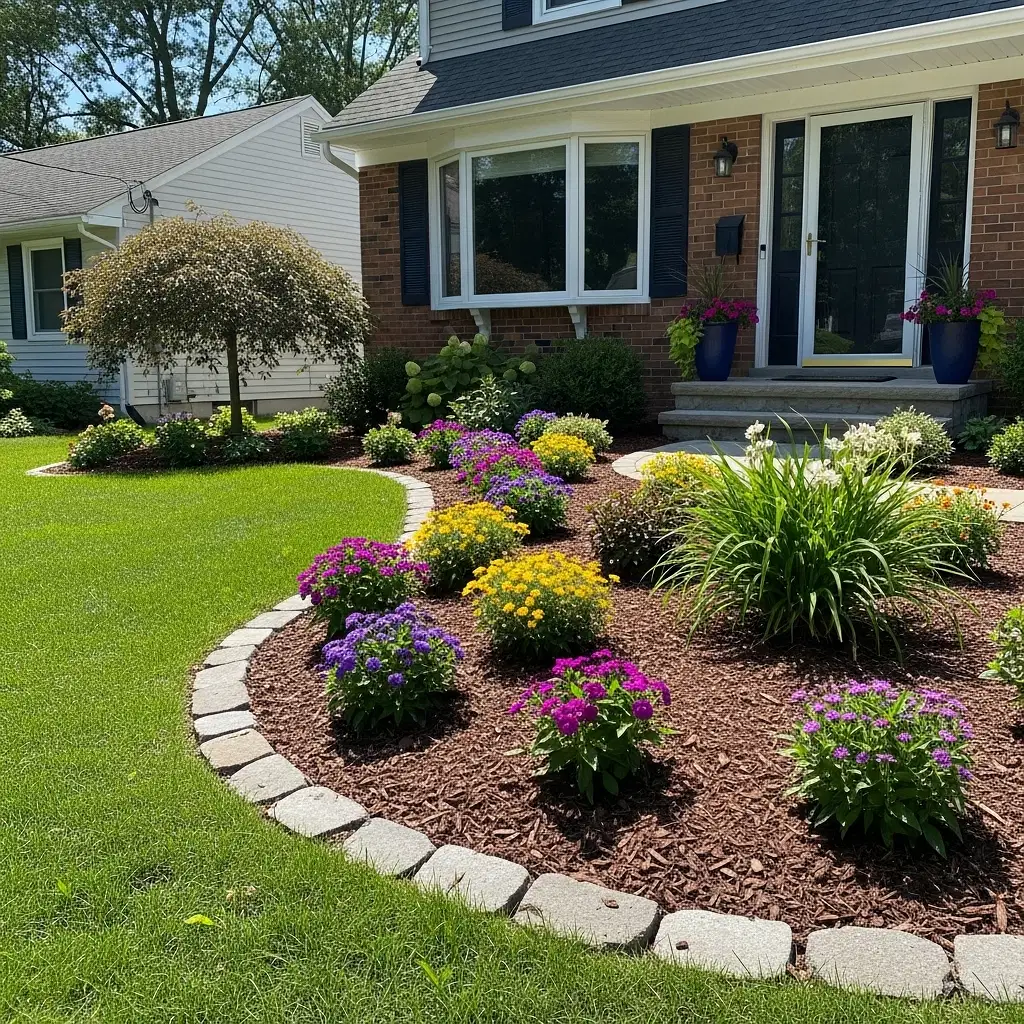
Why Mulch is Your Garden's Best Friend
Think of mulch as a protective blanket for your soil. In our semi-arid climate, its benefits are amplified, directly addressing the pain points many local gardeners face. A properly applied layer of mulch is one of the best investments you can make for the health and beauty of your landscape.
Key Benefits for Denver Gardens:
- Moisture Retention: This is the number one reason to mulch in Colorado. Mulch slows evaporation from the soil surface, keeping plant roots hydrated for longer. This means you'll need to water less frequently, saving you time, money, and one of our most precious resources.
- Weed Suppression: A thick layer of mulch blocks sunlight from reaching weed seeds, preventing them from germinating. This drastically reduces the time you spend on your knees pulling pesky intruders from your garden beds.
- Soil Health Improvement: As organic mulches (like wood chips or shredded bark) break down, they add vital nutrients and organic matter to the soil. This is especially crucial for improving the structure of our heavy clay soil, making it easier for plant roots to grow and access water.
- Temperature Regulation: Mulch insulates the soil, keeping it cooler in the summer and warmer in the winter. This protects plant roots from extreme temperature swings that can cause stress and damage.
Choosing the Right Mulch for Your Landscape
Walking into a garden center can be overwhelming with all the mulch options available. The choice generally comes down to organic versus inorganic materials, each with its own set of pros and cons for our region.
-
Organic Mulches: These are materials that decompose over time. Examples include cedar or pine bark nuggets, shredded hardwood, and wood chips. We often recommend these for garden beds where you want to continually improve the soil. They are fantastic for nourishing plants and are a key component of successful tree and shrub planting.
-
Inorganic Mulches: These include materials like pea gravel, river rock, and crushed granite. They are a popular choice for xeriscaping and low-maintenance areas because they don't break down and rarely need to be replaced. However, they can absorb and radiate a lot of heat, which may not be suitable for all plants, and they don't offer any nutritional benefit to the soil.
The best choice depends entirely on your goals. Are you trying to enrich the soil for a vegetable garden, or create a sleek, modern, drought-tolerant rock garden? A thoughtful landscape design considers how different materials will work together to create a cohesive and functional space.
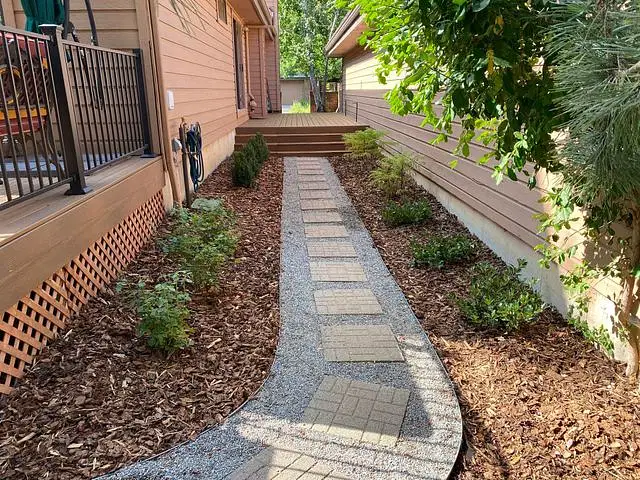
Application is Everything: How to Mulch Like a Pro
Simply dumping mulch on your garden beds won't cut it. Proper application technique is critical to unlocking its benefits and avoiding potential harm to your plants.
- Weed and Edge First: Before applying mulch, make sure the area is completely free of weeds. It's also a great time to create a clean, crisp edge around your beds for a professional look.
- Apply the Right Depth: Aim for a layer that is 2-4 inches deep. Too little won't be effective at suppressing weeds or retaining moisture. Too much can suffocate plant roots and prevent water from reaching the soil.
- Avoid the 'Volcano': When mulching around trees and shrubs, never pile mulch directly against the trunk or stems. This traps moisture against the bark, which can lead to rot and disease. Instead, create a donut-like ring, leaving a few inches of space around the base of the plant.
- Timing Matters: The best times to apply mulch in the Denver area are in mid-to-late spring, after the soil has warmed up, or in the fall to provide winter insulation.
While many homeowners enjoy this as a weekend project, a professional mulch installation ensures the correct material, depth, and technique are used for maximum benefit, saving you from costly mistakes and back-breaking work.
Elevate Your Landscape with a Smart Mulching Strategy
Mulch is more than just a functional tool; it's a design element that can unify your entire landscape. The color and texture you choose can complement your home's exterior, highlight your plants, and define different areas of your yard. By integrating a smart mulching strategy, you're not just caring for your plants—you're investing in a more beautiful, resilient, and water-wise property.
At Bromfield Design Group, we understand the unique demands of landscaping in the Mile High City. We can help you select and install the perfect mulch to protect your plants, conserve water, and enhance your home's curb appeal.
Ready to see the difference professional mulching can make? Contact us today for a consultation and let's build a healthier, more beautiful landscape together.